




Whoa, check this out. I’ve been using Phantom for months now and I still get surprised. It sits in your browser like a tiny bank vault. At first glance it’s simple, but underneath there’s a lot of UX choices and security trade-offs that matter if you actually depend on it daily. Initially I thought extensions were inherently risky, but after testing seed backup flows, permission prompts, and how the extension handles network switching I shifted my view—partly.
Seriously, this matters a lot. Phantom is the wallet people mention first when they talk Solana. That reputation comes from a slick UI and strong integration with DeFi apps. But the extension model means you must trust code running in your browser, and that trust gets complicated when you install many extensions that could conflict or exfiltrate data. On one hand the convenience of one-click connects is brilliant for user experience; though actually, the more sites you connect to, the more you need strict mental models about approvals and allowance revocations.
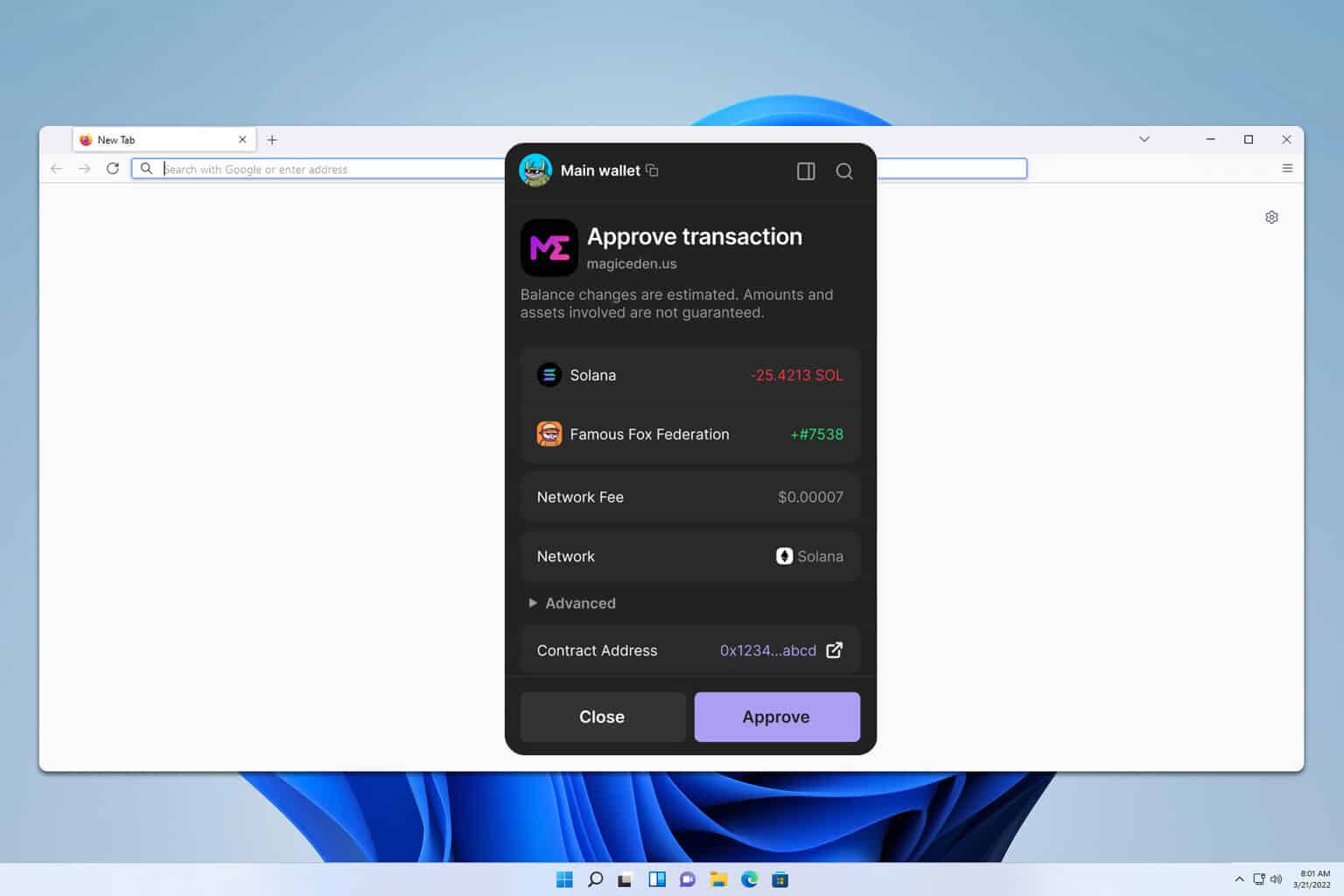
Hmm… my instinct said this wasn’t perfect. I dug into transaction signing flows and the sites that request broad permissions. There are good prompts in Phantom, but users often click through without reading. Initially I thought the default permission model was fine, but then I realized that many dApps ask for overly broad access and that the wallet’s review screens could do a better job of explaining what each permission actually allows. Actually, wait—let me rephrase that: the screens are adequate for experienced users, yet for newcomers they can be opaque, and that gap is where phishing and scam UX take advantage.
Here’s the thing. You need to pair good wallet hygiene with the extension’s tools. Phantom offers password locks, auto-lock timers, and approvals history. If you take a regular habit of checking connected sites, revoking unused approvals, and keeping your seed phrase offline (paper, hardware, whatever works…) you’ll mitigate the biggest risks. On the technical side Phantom signs transactions locally, which means a malicious site can’t directly move funds without your explicit approval, though UI-level spoofing remains a risk if you aren’t careful.
Whoa, tiny detail matters. One practical tip: use the network selector intentionally. People accidentally connect to testnets or custom RPCs and then get confused. I once saw a user think they lost funds because a dApp defaulted to a different cluster, and that taught me to always check the top bar and the RPC endpoint before signing anything. On balance the extension model gives you powerful convenience, but that power demands a few rituals—simple ones like a mental checklist before approving transactions—that keep your assets safe over time.
Really, don’t skip backups. Back up your seed phrase in multiple secure places. Write it by hand; store it in a safe. If you prefer hardware security, Phantom supports hardware wallets like Ledger, so you can combine the convenience of the extension with the resilience of offline key storage. My instinct said hardware was overkill once, though after recovering a wallet from seed loss for a friend I changed my tune—hard wallets are a pain sometimes, but they work when things go sideways.
I’m biased, but I prefer hardware. Phantom itself is actively developed with a solid team and frequent updates. The extension landscape changes fast, so updates matter for security. There’s somethin’ appealing about a wallet that integrates well with Solana’s app ecosystem (Serum, Raydium, Magic Eden), because the flow from discovering an NFT to bidding or trading feels seamless and immediate. However, I remain cautious about auto-approve features or any permissions that persist without clear, accessible revocation mechanisms, because those are the real attack surface in practice.
Wow, that feels fast. Phantom’s speed on Solana is a very very noticeable product advantage. Transactions confirm quickly and the UX capitalizes on that. But speed can lull people into complacency; when you see approvals breeze by you might click before reading, and that human tendency is where scams thrive. So build habits: pause, read the modal, verify the destination address visually when possible, and treat every unknown approval as suspect until proven otherwise.
Okay, so check this out— If you want to try Phantom, do it from the official source. There are fake extensions and copies everywhere; that part bugs me. I usually recommend downloading only from verified stores or the project’s site and verifying the extension ID and publisher details, because attackers often clone UI and copy descriptions to trick users.
How to get started safely
To make that easier, here’s a direct place you can start safely with the official installer for the browser: use the phantom wallet download extension link and confirm the publisher details before you install.
I’m not 100% sure, but I favor caution. Once installed, spend time exploring settings and test small transactions first. Use small amounts to learn signing flows and confirmations. If you build muscle memory with tiny, low-risk interactions, you’ll avoid big mistakes down the road, and that experiential learning is far more effective than reading guides alone. On the policy front, I’d like to see clearer permission semantics and perhaps a standard for dApps to declare minimal required scopes, because the current ecosystem is messy and that mess favors attackers.
Seriously, keep an eye on approvals. Phantom’s activity log helps, but it’s not perfect. I sometimes wish the history had clearer labels and linked dApp metadata. Initially I thought that solving UX would be trivial, then realized it’s a socio-technical problem involving wallets, dApps, and user education, and that makes a complete fix slow and nuanced. So the best approach is pragmatic: use the wallet smartly, pick hardware where appropriate, and participate in the community to push for better standards and clearer permission models.
FAQ
Is Phantom safe as a browser extension?
Short answer: generally yes, if you follow good practices. Use official installers, enable auto-lock, back up seeds offline, and consider hardware for large balances. Also revoke unused approvals periodically and treat unexpected approval requests as suspicious.
Can Phantom work with a Ledger?
Yes. Phantom supports Ledger devices so you can keep keys offline while using the browser extension for convenience—it’s a practical middle ground for many users.
What should new users watch for?
Don’t rush approvals. Check the network, read permission prompts, test small transfers first, and verify extension publisher info before installing. Oh, and never share your seed phrase—ever.